
Media Handling
Standard rollers and belts lose their grip long before they wear out. Custom-engineered polyurethane parts hold up.
— The Recurring Problems
Grip drifts
Feed, pull, nip and drive parts must hold a controlled coefficient of friction: too little grip misfeeds, too much marks the material
Surface wear
Abrasive media (paper dust, board, glass strand, coated strip) wears the contact surface, so grip and diameter drift and parts need frequent replacement
Delicate material marks
Premium or fragile material can’t be scuffed, marked or contaminated, the handling part has to run clean and non-marking
Complex geometries
Grooves, cleats, crowns and profiles that grip and guide require complex geometries that catalog parts can’t meet
Belts slip or tear
Belts and cleats must convey and grip on inclines and transfers at high cycle rates without slipping or tearing
Static buildup
Fast-moving media generates electrostatic buildup that can damage sensitive electronics and compromise system performance
— The Differentiator
Where standard components fall short
Most engineers start with rubber, catalog polyurethane, or plastic components. Each one falls short:
- Rubber hardens and glazes, so coefficient of friction drifts causing misfeeds
- Plastics can mark delicate material, grip poorly, and wear down quickly
- Catalog parts come in fixed durometers, so coefficient of friction, geometry and wear resistance can’t be customized to the needs of the system
- Standard belts and cleats can slip or tear on inclines at high cycle rates
- Carbon-loaded conductive parts shed particles and lose conductivity as they wear
- None can be customized to the coefficient of friction, durometer and profile the material needs, and stock suppliers offer no engineering support
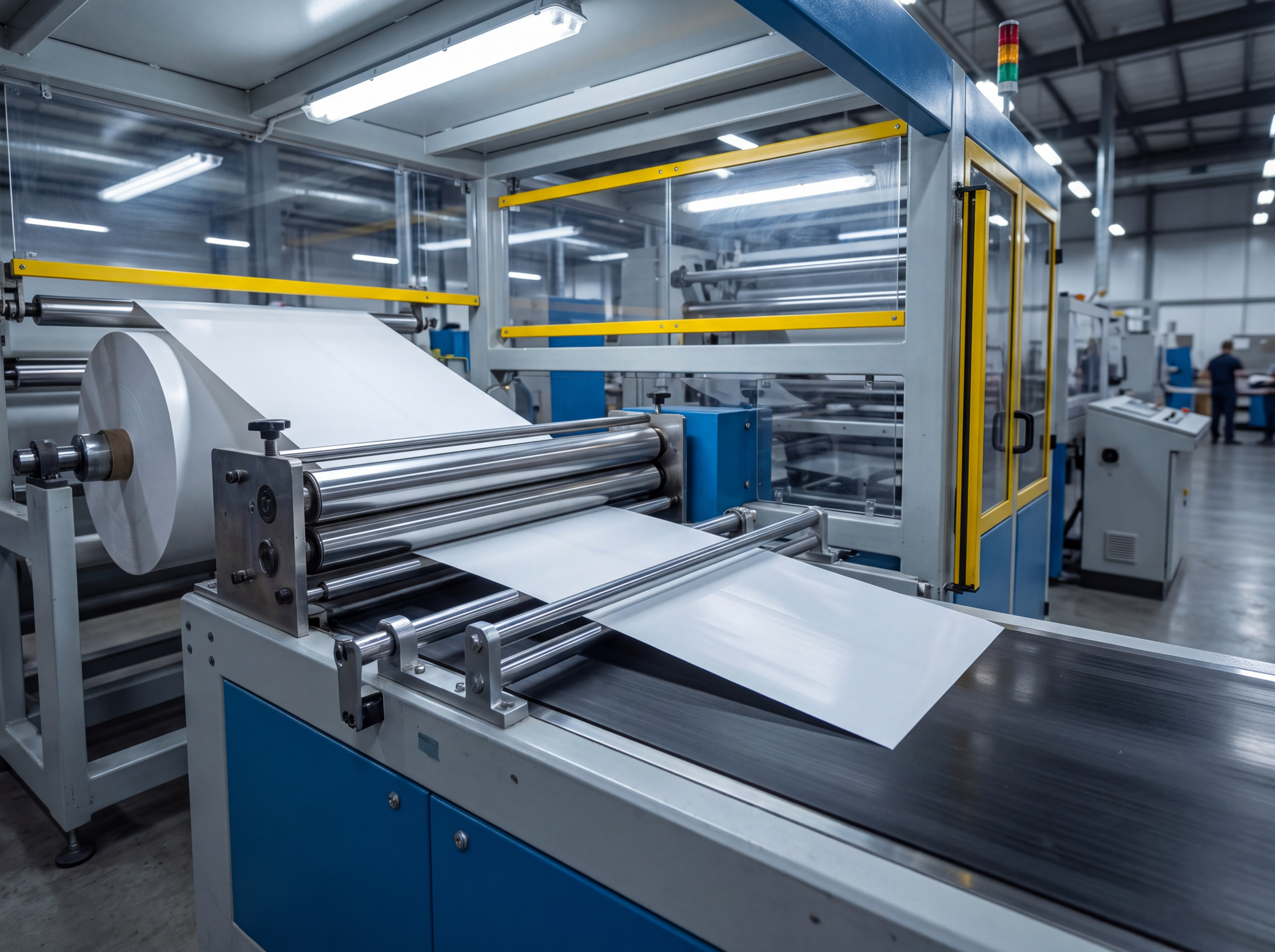
— Solution Spotlights
The products that solve this problem
Grip is the hard part. MPC customizes the material’s coefficient of friction, durometer and other physical properties to meet the complex needs of your system.
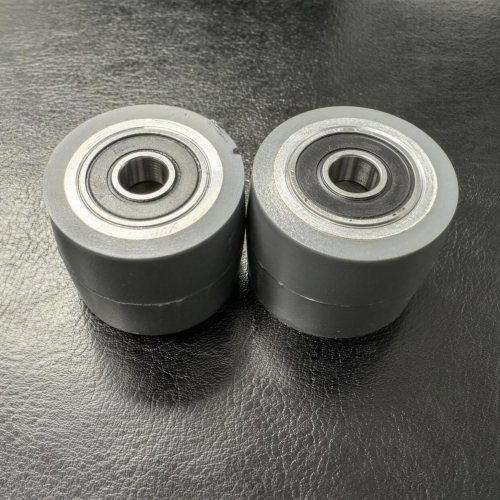
Custom Rollers
Feed, pull, nip and drive rollers manufactured at the durometer and coefficient of friction the media needs, with grooves, crowns or other complex profiles. Whereas rubber glazes and its grip drifts, polyurethane holds its coefficient of friction far longer. Conductive polyurethane is available for critical ESD applications.
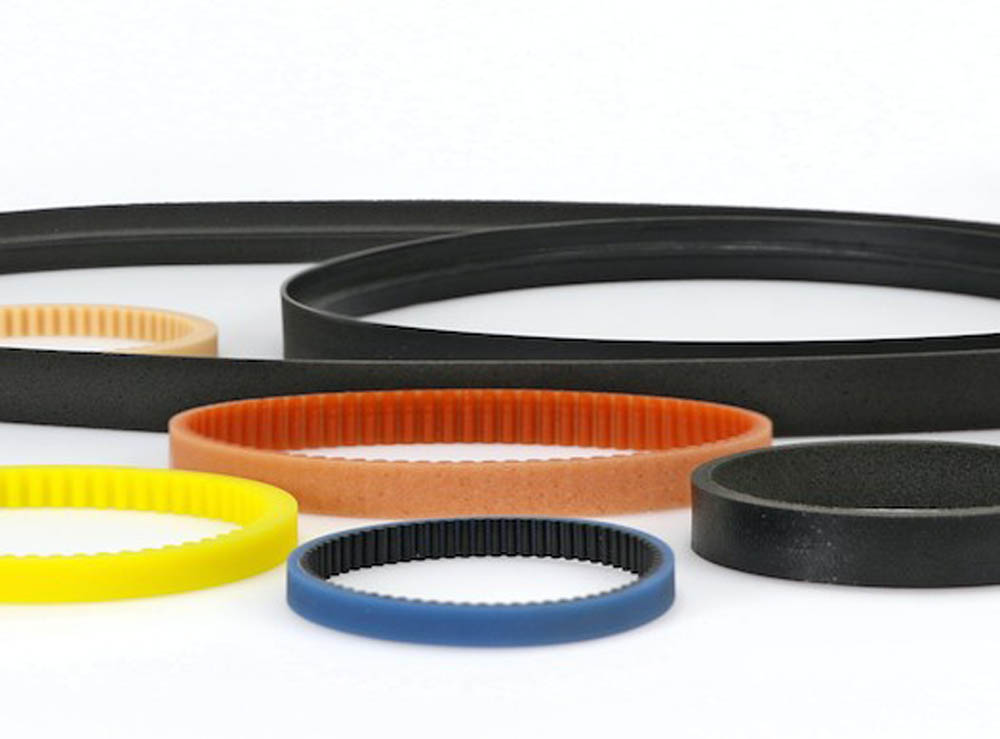
Custom Belts
Custom single- and multi-layer belts can be manufactured with complex geometries and features. They grip and convey material on inclines and transfers at high cycle rates, without the slip or tear of rubber, and can be designed to carry a soft, non-marking contact layer for delicate media.
Custom Wheels
Drive and guide wheels designed to meet the coefficient of friction and durometer the material path needs can be bonded to metal cores so the tread does not debond under load, non-marking and long-wearing where rubber flat-spots and plastic wears.
Micro-Molded & Custom Molded Parts
Small precision guides, grippers and handling parts micro-molded or custom cast to complex geometry a catalog part can’t hold, with the tear strength and abrasion resistance to grip delicate media through high-cycle duty.

Talk it through with a polyurethane expert who’ll tell you what’s achievable and what is not.
— FEATURED CASE STUDY
Semiconductor Automation Manufacturer Achieves 4x Roller Life
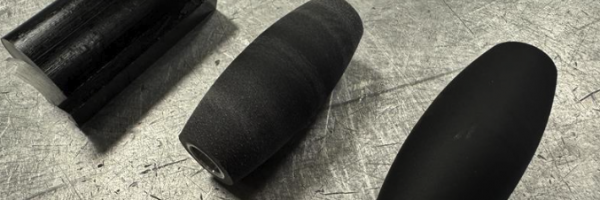
A semiconductor manufacturer handling premium wafers needed rollers that stayed clean and static-controlled in an ISO cleanroom, where the incumbent plastic rollers shed particles and wore out.
MPC engineered a custom conductive cast-urethane roller, non-marking and low-particulation, using our patented conductive polyurethane technology customized to the ESD target, built to exact needs of this mission-critical wafer-handling application.
THE RESULT
Passed ISO cleanroom particulate testing
Longer wear life than the prior plastic rollers
Contamination events
— Industry Applications
Where this problem shows up
The same grip-and-guide problem shows up in any application where a machine moves a continuous or delicate material. For common examples of media handling solution across different applications, check out the below industry pages:
Feed, nip and transport rollers that grip paper and film at speed without marking
Clean, low-particulation, static-controlled wafer-handling rollers
— Technical Specifications
The specs that matter for media handling
Property
Range for this solution
Hardness
ASTM D2240
- Shore 20A–70D — solid polyurethane
- Customized per part
Mechanical properties (Durethane® S)
- Tensile strength 250–7,800 PSI
- Tear strength, Die C 30–800 PLI
- Elongation 160–850%
- Compression set 5–40%
Abrasion and surface finish
High abrasion resistance with tolerance to tight surface finishes
Volume resistivity (Durethane® C)
- Conductive range ≈ 10⁵–10¹¹ Ω-cm
- Typical dissipation target 10⁶–10⁸ Ω-cm, held part to part
- Typical at ambient by durometer: 5×10⁵ (10A–55A) · 5×10⁶ (65A–75A) · 5×10⁷ (85A) · 5×10⁸ (90A–60D) · 5×10⁹ (70D)
Customizable properties
- Hardness, elongation, tensile, tear and compression set are formulated to the part
- Any shape component, or machined to precise specifications
- Cast onto machined metal cores and hubs; dual-durometer construction available
- Grooves, crowns, cleats and profiles cast in
Relevant technical downloads
Document
What it gives the engineer
Conductive polyurethane material specifications, including volume resistivity ranges and material properties.
In-depth overview of MPC’s patented metal salts technology, which provides stable volume resistivity as parts wear.
Solid polyurethane material specifications: hardness 20A–70D with tensile, elongation, tear and compression set.
General chemical resistance guideline for MPC’s thermoset polyurethanes.
— HOW IT WORKS
From concept to scaled production
Connect With Us
Share your application, performance needs, or a part you want to improve.
Collaborate on Design
Our engineers will help optimize materials and geometry for manufacturability.
Prototype & Refine
We produce samples using our proprietary polyurethane formulations for testing.
Move to Production
Once approved, we move to scalable molding with full quality assurance.
That’s exactly the conversation we like to have – get a polyurethane expert on a quick call to pressure-test your idea before you commit.
— PROOF
Case studies & white papers
Case Studies
Semiconductor Manufacturer Achieves Prototype-to-Production in Six Months
A semiconductor manufacturer needed a critical IC-production component that could take extreme heat and meet strict cleanliness, which standard materials couldn’t deliver. This case study shows how MPC took the part from prototype to full production in about six months while hitting every performance requirement.
Robotics OEM Extends Roller Life Under Heavy Loads
A robotics OEM was losing rollers prematurely under heavy, continuous loads. This case study shows how MPC’s heavy-load cast roller stood up to the punishment and extended service life, cutting the premature failures that were driving downtime.
White Papers
Custom Urethane Coefficient of Friction for Reliable Document Handling
Cash machines and kiosks jam when worn rubber feed belts lose their grip on the media. This white paper shows how MPC engineered a multi-layer urethane belt with the coefficient of friction customized to the media, virtually eliminating the misfeeds that drive costly field failures.
Custom Polyurethane Parts and Components for the Semiconductor Industry
Semiconductor equipment makers need components that resist abrasion, chemicals, and heat without shedding particles. This white paper explains how custom thermoset polyurethane from MPC meets those demands, and where it outperforms the standard materials engineers usually reach for.
Engineering Urethane Wheels and Rollers for Robotics and Automation
Wheels and rollers are among the hardest-working parts in any automated system. This white paper walks engineers through designing them for load, wear, traction, and reliability in heavy-duty robotics, so they last instead of becoming the weak link.
Engineering Polyurethane Components for Heavy-Duty Applications
Modern automation pushes mechanical parts past what standard materials can handle. This white paper covers the material, process, and design choices behind heavy-duty polyurethane components for robotics and precision systems, so they hold up under continuous duty.
— Design Guide
How to specify custom urethane rollers, belts and wheels to solve media handling problems
— FAQ
Frequently Asked Questions
What roller or belt material grips my material at a consistent coefficient of friction without marking it?
Custom cast polyurethane with the coefficient of friction customized to your media. MPC can customize coefficient of friction to meet the requirements of the material and line speed so it drives or conveys without slipping or marking, and holds that grip as it wears, where rubber glazes and drifts.
What outlasts rubber against abrasive media (paper dust, board, glass strand, coated strip) ?
Abrasion-resistant polyurethane. It resists the abrasive media that wears rubber and plastics, so the contact surface keeps its grip and diameter far longer and needs replacing less often.
Can you manufacture custom grooves, cleats, crowns or profiles for feed, pull and drive rollers or belts?
Yes. MPC manufactures grooves, cleats, crowns and complex profiles directly into the part, so grip and material displacement hold longer than a standard catalog part.
What handles delicate or premium material without scuffing, marking or contamination?
Non-marking, low-particulation cast polyurethane customized to the media. MPC formulates the contact surface so it grips without marking and does not shed particles onto premium material.
How can I dissipate static buildup safely in a media-handling application?
With a static-dissipative cast polyurethane part. MPC’s patented metal-salt polyurethane technology carries charge out of the material path with a stable resistivity that holds through wear and does not shed particles.
— Keep Exploring